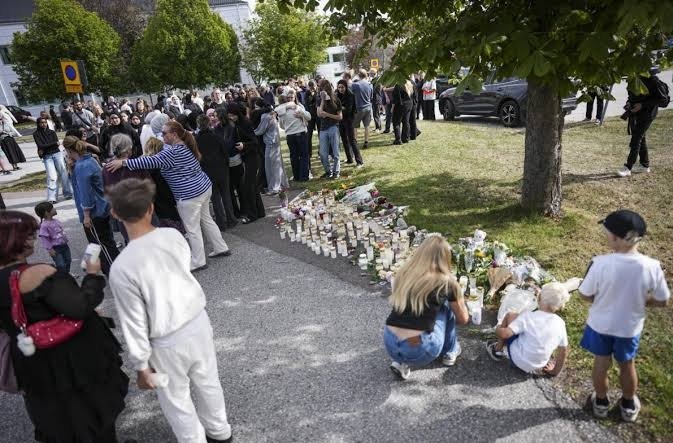
Warning: Graphic content, readers’ discretion advised. This story contains a recollection of crime and can be triggering to some readers discretion advised.
The only Swede on Death row
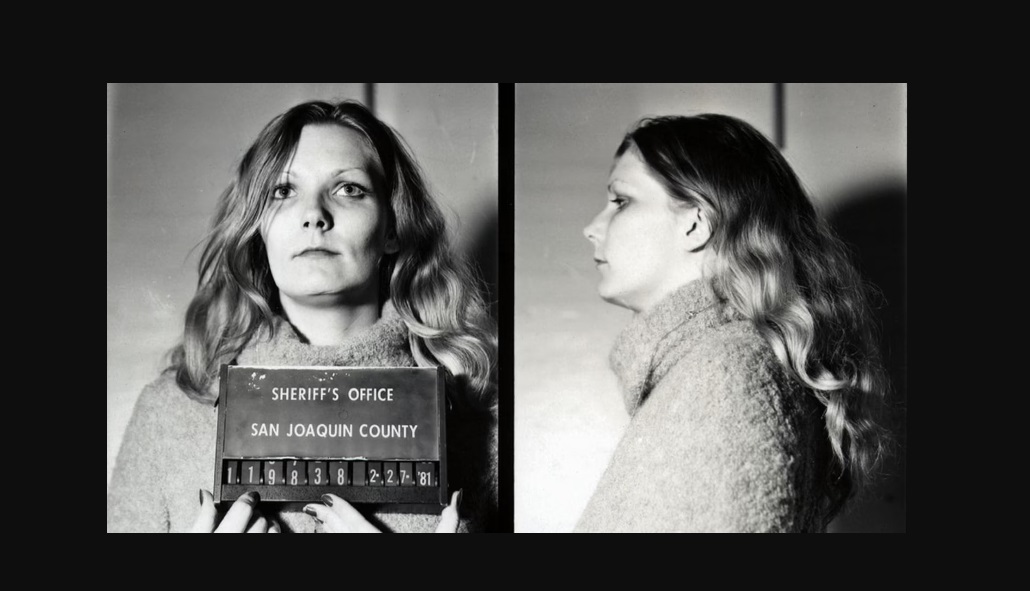
One spring day in 1981, 27-year-old Annika Östberg and her boyfriend, Bob Cox, have arranged to meet with a restaurant owner to resell a batch of meat. The deal doesn’t go through – Bob shoots the restaurant owner and the couple decides to flee the country. But instead of making it across the border, they meet traffic police officer Richard Helbush. An encounter that will have a fatal outcome.

The couple is arrested and placed on death row, the section for inmates who are to be executed. According to the murder investigation, it is the boyfriend, Bob Cox, who is holding the gun during both shootings.
However, the verdict states that the murders were committed in agreement with Annika Östberg. She admits to double murder and is sentenced to life imprisonment.
Many people are getting involved in Annika’s fate as a foreign prisoner. Some media outlets are pushing the issue that she should be transferred to a Swedish prison. School classes are writing letters to the California governor. At the same time, criticism is being directed at the involvement
– why show sympathy for a convicted double murderer?

Annika Maria Östberg Deasy (born January 6, 1954) is a Swedish citizen formerly incarcerated in California for an undetermined period;
(25 years to life sentence).
She was convicted of first-degree murder of a restaurant owner and a police officer in 1981.In April 2009, after 27 years in a California prison, Östberg was handed over to Swedish authorities and transferred to Sweden, and incarcerated in the Hinseberg women’s prison north of Örebro. She was released in May 2011.
THE STORY OF ANNIKA ÖSTBERG.
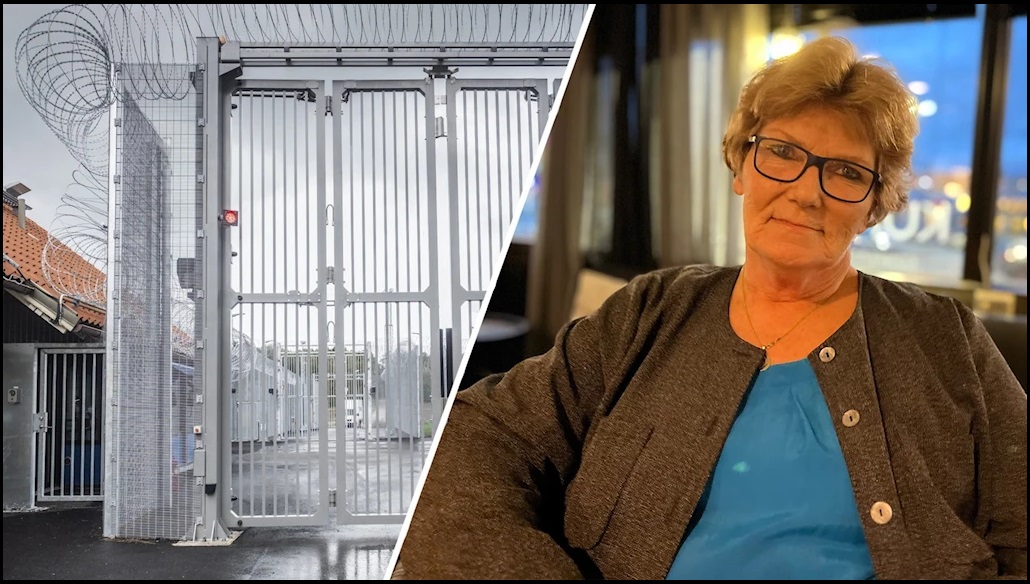
Annika Östberg Deasy served 28 years in an American prison for two murders she was involved in in 1981

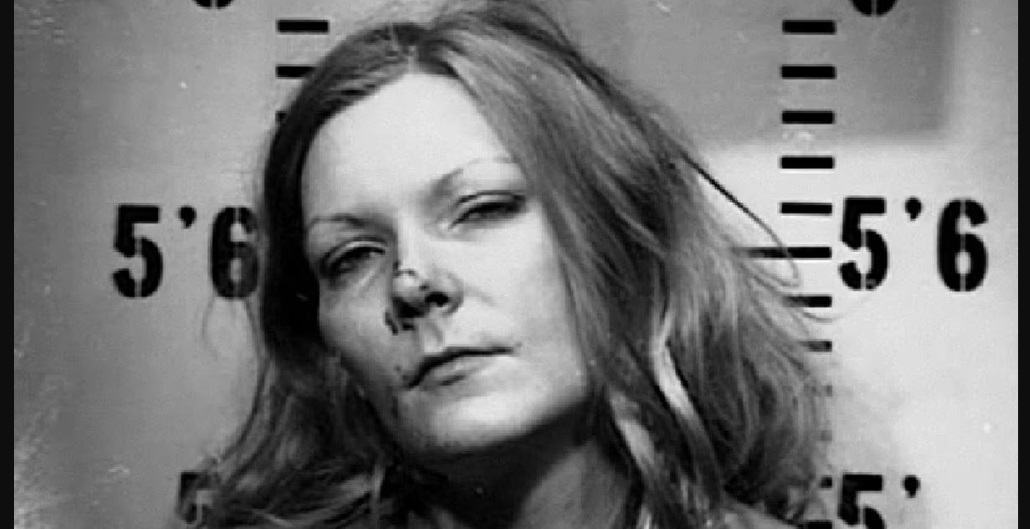
“Hi, it’s Ann. We have goods for you. We have meat. If you have $300, we’ll deliver.”
That was the conversation with Joe Torre, a 58-year-old man Annika Deasy knew who wanted to buy meat cheaply for the family’s restaurant. On April 30, they met at an arranged location. But there was an argument over payment. Torre only had $100.
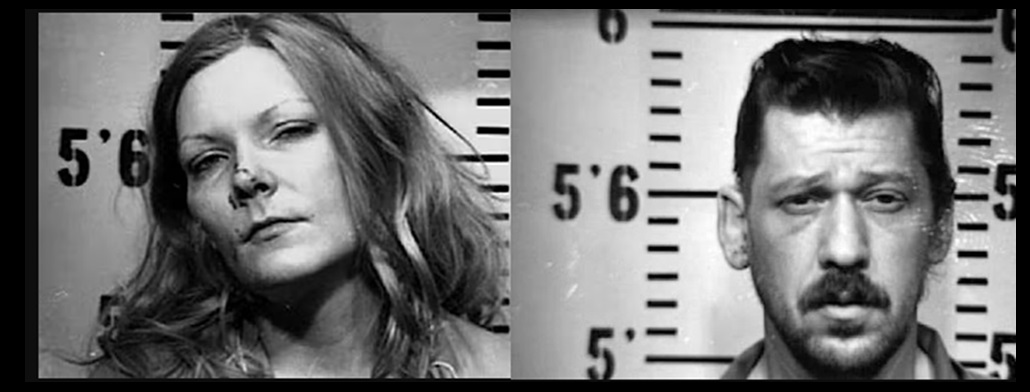
Suddenly, Bob Cox shot the man to death with his Smith & Wesson revolver.
She had never seen anyone shot to death before; he had a history as a violent criminal, soldier, and prison inmate in Turkey. Shocked and with strong withdrawal, Annika Deasy agreed to pull.

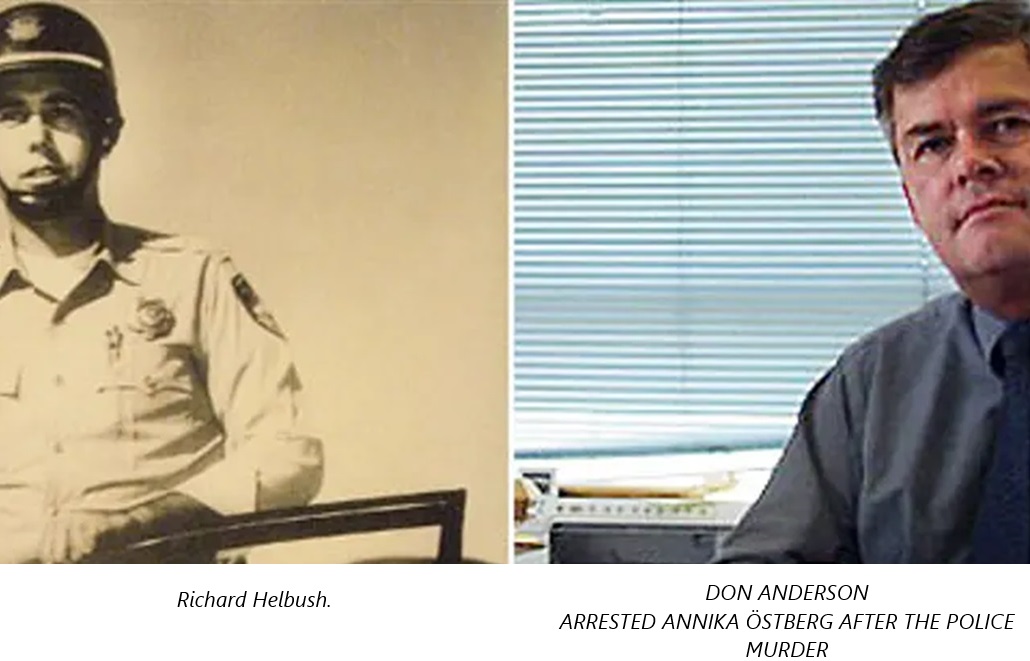
–He was cold-blooded, a natural killer. He seemed to know exactly what he was doing. But she was involved. They fled together, from the murder of Torres
– She could have run but she didn’t. Instead, she helped distract him so he could shoot. In my eyes, that also makes her a “cop killer.”
–The worst was for Sheriff Bill Bloomquist. He took the girls to task for failing miserably, became an alcoholic and died ten years ago. Since it was a case of two murders, one of which was of a police officer, the death penalty could have been considered – or life in prison without the chance of appeal.
The lawyer Annika Deasy was given advised her to enter into a plea bargain with the prosecutor, which led to a sentence of “25 years to life” for murder. In August 1983, she arrived at the California Institution for Women, a women’s prison in the desert landscape east of Los Angeles.

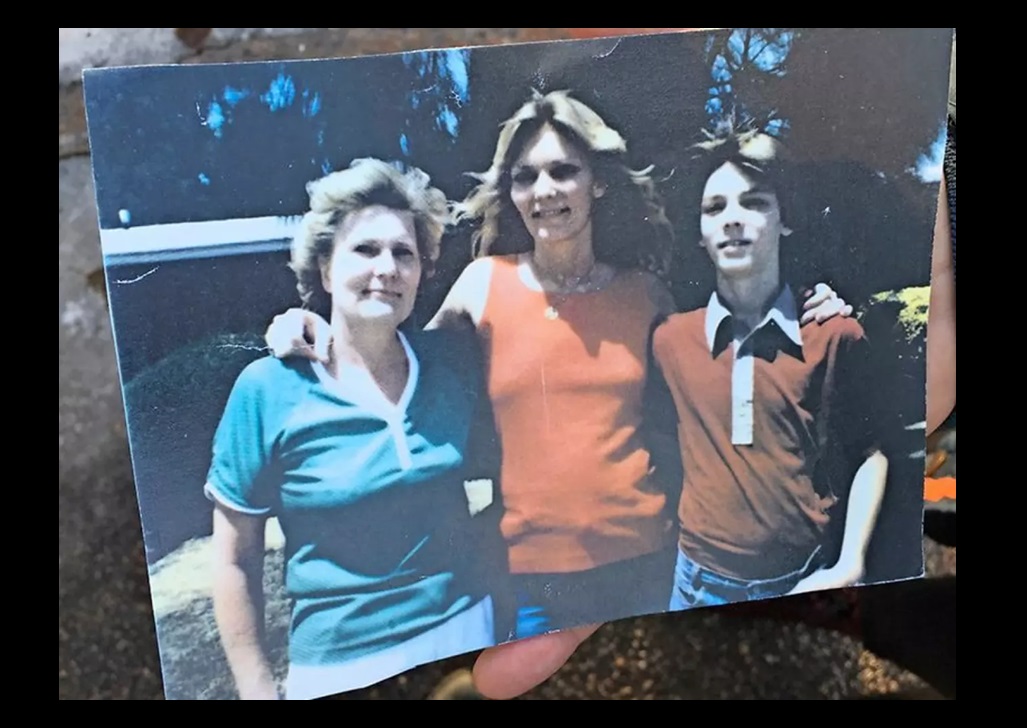
Annika with her mother Maj-Britt and her son Sven, who died in a traffic accident at the age of 15. The picture was taken outside the prison.
“I’m not some Eleanor Roosevelt – just a lost and confused drug addict, says Annika’s voice in Tom Alandh’s film portrait of her.“She was very young, very misguided and extremely intelligent,” says Susan Jordan, the first of several defense attorneys.
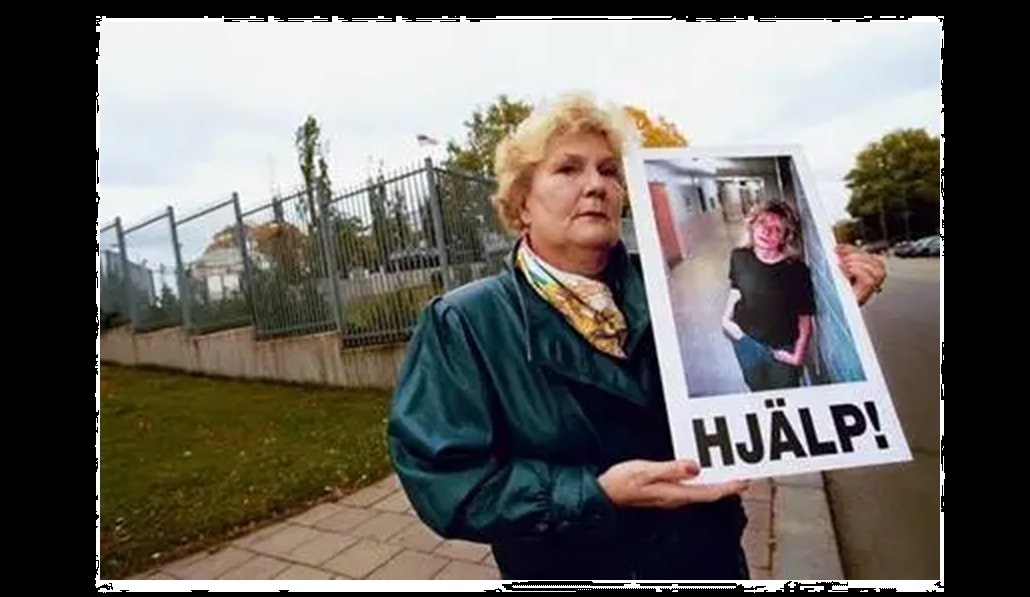
“Because of you, I have not been able to meet or speak to my father for 27 years. I have limited memories of the time we spent together, because I was so little when you murdered him. But I remember what it was like to be seven years old and sit in a funeral home with my father in an open casket in front of me. I remember what it was like to stand at the grave and hear the sound of rifles and trumpets. I don’t think any seven-year-old girl should have to have that as her last memory of her father.”


California Governor Arnold Schwarzenegger and Prime Minister Fredrik Reinfeldt discussed the Annika Östberg case – but did not show it to the public. Photo: Scanpix
– I don’t know why it happened at this point. It was probably a combination of the legal process, political pressure and California needing to cut back on its prison population
– Annika’s case is interesting, because it really shows how punishment and rehabilitation are viewed in California these days. It is very rare to see a prisoner who has managed to change his life and his personality as radically as she has. Yet it took 27 years before it was enough to be transferred to Sweden. All the focus is on the past. But that is mostly because it concerns a police murder.

–I certainly do not belittle her criminal past. But during her long time in prison, she has changed incredibly much. It is actually a heroic act to have made it.
– As humans, we are expected to believe that it is possible to atone and make amends for our sins. Annika has become a responsible person, who is now worthy of all admiration.