Exploiting trust: They rely on the universal societal trust placed in nurses. They often express shock that someone could think they would violate their sacred oath to “do no harm.”
Superficial cooperation: They frequently act overly helpful, polite, and socially cooperative, trying to appear as an ally to the detectives rather than a suspect.
The “Perfect Worker” stress: As seen in the case of Canadian killer nurse Elizabeth Wettlaufer, they may discuss the extreme pressure they put on themselves to “do everything perfectly” to mask their internal darkness behind professional burnout or dedicati
Altruistic framing: They frequently claim their murders were acts of compassion. For instance, Charles Cullen initially told investigators his lethal drug overdoses were “mercy killings” meant to end the suffering of his patients.
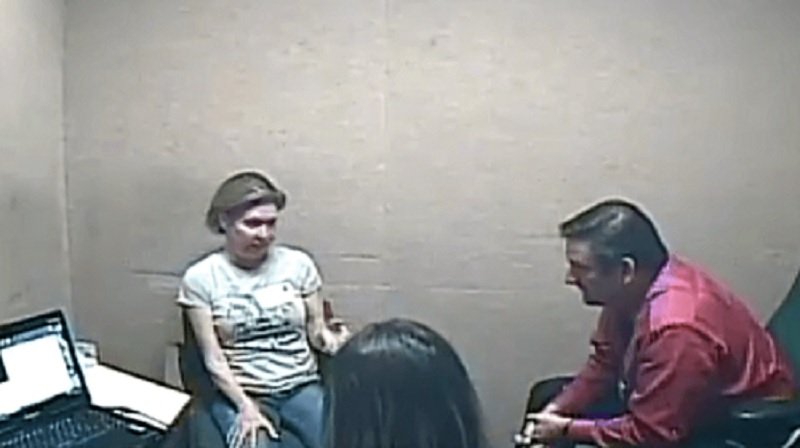
Deflecting responsibility to “God”: Some claim a higher power compelled them. During her interrogation, one killer nurse claimed “God moved her to murder her elderly patients” when they became difficult to manage. [1]
Blaming the victims: They may subtly or overtly blame the patients for being “unruly” or difficult, positioning their violent actions as a necessary, logical intervention to maintain order in the ward
🧊 Cold Detachment and Ambiguity:
Clinical indifference: They can look at evidence of suffering or death with total detachment. As observers note during interrogations, these individuals can view the reality of their actions as clinically and unemotionally as a routine medical procedure.
The “Outsmarting” attempt: Suspects like Kimberly Saenz (who poisoned dialysis patients with bleach) or jail nurse Annalyn Visa initially try to explain away medical emergencies using complex medical jargon or by claiming the patient was simply “detoxing” or “disruptive”.
Total breakdown against digital evidence: Their composure entirely shatters when investigators stop relying on verbal testimonies and introduce unarguable data. This typically includes computerized medication dispensing logs (like Pixus system histories showing unprescribed drug withdrawals) and facility surveillance footage that directly contradicts their logs. Once confronted with this digital trail, their elaborate stories fall apart, leading either to a sudden, flat confession or complete silence.